

Best Battery Smoke Detectors 26 US Top Picks, Comparisons, and Buying Guide
Shopping for the best battery smoke detectors for a US home? Good call. Battery-powered alarms are the fastest way to bring a house, apartment, or rental up to modern safety standards without hiring an electrician.
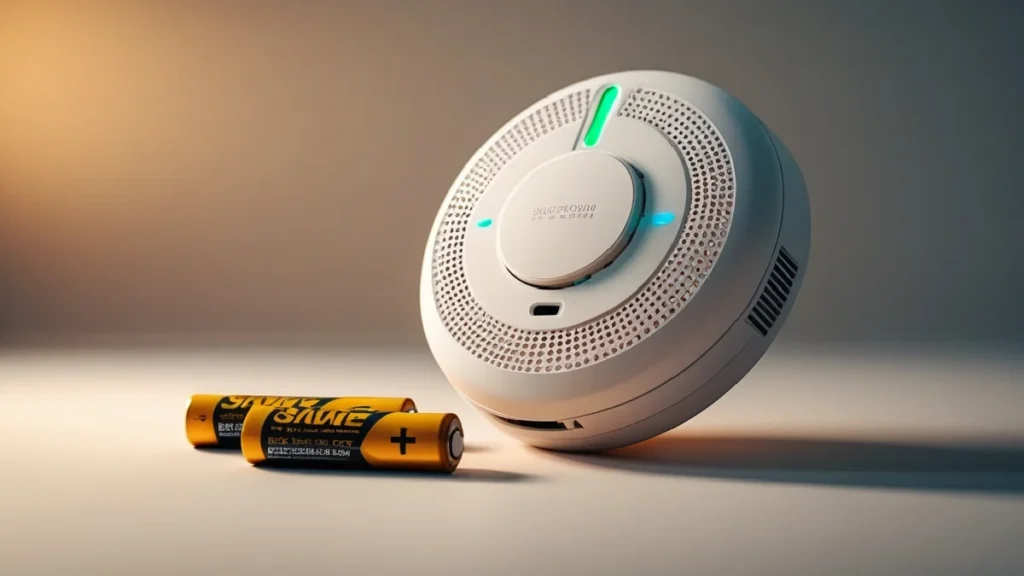
Battery Smoke Detectors Today’s options range from budget 9V units to sealed 10-year alarms and smart models that send alerts to your phone. In this US-focused guide, you’ll find the best battery smoke detectors of 2025, head-to-head comparisons, what features actually matter, and exactly where to install them for better coverage and compliance.
Quick Picks (US)
- Best overall: First Alert SA511CN2-3ST — Wireless interconnect + voice
- Best 10-year sealed: Kidde P3010L — Photoelectric
- Best smart: Google Nest Protect (Battery, 2nd Gen)
- Best budget: First Alert SA303CN3 — Ionization, 9V
- Best wireless interconnected (10-year): X‑Sense XS01‑WR — Photoelectric
- Best combo smoke + CO: Kidde P3010CU — 10-year sealed combo
- Great alternative 10-year: First Alert PR710 — Slim photoelectric
- Best dual-sensor battery: Kidde PI9010 — Photoelectric + ionization
Best Battery Smoke Detectors: Detailed Reviews
First Alert SA511CN2-3ST — Best Overall
Why it’s great:
- Wireless interconnect links multiple units; when one alarms, they all sound
- Voice location announces where the hazard is (“Warning: smoke in the hallway”)
- Photoelectric sensor helps reduce nuisance alarms from cooking steam
Best for: Multi-bedroom and multi-level homes that need whole-home audibility without hardwiring
Pros: Easy pairing, strong brand reputation, clear voice prompts, great coverage
Cons: Uses replaceable AA batteries—plan to change them every 12–24 months
Typical price: Mid-range (two-packs offer solid value)
Kidde P3010L — Best 10‑Year Sealed (Photoelectric)
Why it’s great:
- Battery Smoke Detectors Sealed lithium battery designed to last up to 10 years—no battery swaps
- Slim design with hush and end‑of‑life alerts to remind you when to replace
Best for: Bedrooms, hallways, and primary coverage where you want minimal maintenance
Pros: Low maintenance, clean look, UL 217 listed
Cons: Replace the entire unit at end of life
Typical price: Affordable per unit
Google Nest Protect (Battery, 2nd Gen) — Best Smart
Why it’s great:
- App alerts to your phone, self‑testing (Sound Check), and “Heads‑Up” early warnings
- Split‑spectrum photoelectric sensor; Pathlight nightlight illuminates hallways
Best for: Tech-forward homes, frequent travelers, and short‑term rental hosts
Pros: Excellent app experience, hush from your phone, detailed history and status
Cons: Premium price; needs reliable Wi‑Fi and app setup
Typical price: Premium
First Alert SA303CN3 — Best Budget (Ionization, 9V)
Why it’s great:
- Proven, UL‑listed design at a very low price
Best for: Tight budgets, landlords adding coverage fast, and supplemental protection
Pros: Battery Smoke Detectors Lowest upfront cost, simple to mount
Cons: Ionization sensors are more prone to nuisance alarms near kitchens; 9V battery needs annual replacement
Typical price: Low
X‑Sense XS01‑WR — Best Wireless Interconnected (10‑Year)
Why it’s great:
- Wireless interconnect (pair up to 24 units) plus a sealed 10‑year battery
- Compact design with loud 85 dB alarm and easy test/hush
Best for: Multi‑story homes or larger layouts where you want all alarms to sound together
Pros: Whole‑home audibility without wiring; minimal maintenance; good range
Cons: Not app‑connected; be sure to pair all units during setup
Typical price: Mid‑range per unit; better value in multipacks
Kidde P3010CU — Best Combo (Smoke + CO) with 10‑Year Battery
Why it’s great:
- Two essential protections in one unit: smoke and carbon monoxide
- Sealed 10‑year battery with voice alerts on select variants
Best for: Hallways outside bedrooms and central living areas
Pros: Fewer devices on ceilings; long life; reputable brand
Cons: Replace the entire unit at end of life; verify photoelectric sensor for smoke
Typical price: Mid to upper‑mid
First Alert PR710 — Great Alternative 10‑Year (Photoelectric) Battery Smoke Detectors
Why it’s great:
- Ultra‑slim profile with a sealed 10‑year battery
Best for: Bedrooms, nurseries, and hallways where a low‑profile look matters
Pros: Clean aesthetic, easy install, no battery swaps
Cons: Standalone (no interconnect)
Typical price: Affordable
Kidde PI9010 — Best Dual‑Sensor Battery (Photoelectric + Ionization)
Why it’s great:
- Combines two sensor types to improve detection across smoldering and fast‑flaming fires
Best for: Homeowners who want broader detection without going smart
Pros: Dual-sensor coverage, test/hush button, well-known US brand
Cons: Uses a replaceable 9V battery; more frequent maintenance than 10‑year models
Typical price: Mid-range
Head‑to‑Head Comparisons
Interconnected vs Standalone
- Interconnected (First Alert SA511, X‑Sense XS01‑WR): If an alarm sounds in the basement, upstairs alarms also sound—critical for larger or multi‑level homes.
- Standalone (Kidde P3010L, PR710, SA303CN3): Fine for studios and small apartments; less audible coverage across the home.
10‑Year Sealed vs Replaceable Batteries
- 10‑Year Sealed (Kidde P3010L, PR710, XS01‑WR): No battery changes, fewer maintenance chores; replace the unit at end of life.
- Replaceable (SA511 AA, SA303 9V, PI9010 9V): Lower upfront cost; commit to annual battery checks and replacements.
Smart vs Traditional Battery Smoke Detectors
- Smart (Nest Protect Battery): App alerts, self‑tests, silence from your phone, status history—best convenience and peace of mind when away.
- Traditional (Kidde/First Alert/X‑Sense non‑app): Lower price, simpler to set up, fewer things to manage.
Sensor Type: Photoelectric vs Ionization vs Dual
- Photoelectric (Kidde P3010L, PR710, XS01‑WR): Better at detecting slow-smoldering fires; fewer nuisance alarms near kitchens and bathrooms.
- Ionization (SA303CN3): Often faster on fast‑flaming fires; more nuisance near kitchens—keep at least 10 feet away from cooking appliances.
- Dual (Kidde PI9010): Blends both for broader coverage if you prefer one unit per location.
How to Choose the Right Battery Smoke Detector
- Certification: Look for UL 217 on the packaging and back label. For combo units with CO, also look for UL 2034.
- Interconnect: Strongly recommended for multi‑level homes so alarms are heard throughout.
- Maintenance: If you dislike changing batteries, choose sealed 10‑year models.
- Smart features: If you travel often or manage rentals, app alerts and self‑tests are worth the premium.
- Form factor: Slim, low‑profile units look better in bedrooms and hallways.
- Budget vs longevity: Budget 9V models are cheap now but cost time and batteries over 10 years. Sealed 10‑year units often win on total cost of ownership.
US Placement Tips (NFPA‑Style Guidance)
- Install smoke alarms inside every bedroom, outside each sleeping area, and on every level of the home, including the basement.
- Ceiling mount is best. If wall‑mounting, place alarms high on the wall, 4–12 inches from the ceiling.
- Keep alarms at least 10 feet from cooking appliances to reduce nuisance alarms.
- For vaulted or pitched ceilings, mount the alarm 4 inches down from the peak.
- Avoid bathrooms, very humid areas, garages, and near HVAC supply vents or windows.
- In larger homes, use interconnected alarms for better audibility across floors and closed doors.
Care, Testing, and Replacement
- Test monthly using the Test/Hush button to confirm sound and function.
- Vacuum the alarm’s vents a few times a year to remove dust.
- Replace 9V or AA batteries at least annually or when the unit chirps.
- Replace the entire detector at end of life (often 10 years). Check the manufacture date printed on the back.
- If an alarm sounds and you see or smell smoke: get out, stay out, and call 911.
Price Guide (Typical US Street Prices)
- Budget ionization (9V): $10–$20 per unit
- 10‑year sealed photoelectric: $20–$40 per unit
- Wireless interconnected battery: $30–$60 per unit (less in multipacks)
- Smart battery (Nest Protect): $100–$130 per unit
- Combo smoke + CO (10‑year sealed): $35–$70 per unit
FAQs Battery Smoke Detectors
Are 10‑year sealed battery smoke detectors worth it?
Yes. They reduce maintenance, remove the need for annual battery swaps, and include end‑of‑life alerts so you know when to replace the unit.
Photoelectric vs ionization: which should I choose?
For most US homes, photoelectric or dual‑sensor coverage is preferred to reduce nuisance alarms and improve detection of smoldering fires. If you use ionization models, keep them well away from kitchens.
Do I need interconnected alarms?
Highly recommended for multi‑level homes and larger floor plans. Interconnect ensures a basement alarm will be heard in upstairs bedrooms.
Are battery smoke alarms code compliant?
Battery models can be compliant when UL 217 listed and installed properly. Some jurisdictions require hardwired interconnected alarms in new construction—check your local and state codes.
Is Nest Protect worth the premium price?
If you value phone alerts, self‑testing, and app‑based silence, yes. For budget‑focused buyers, a 10‑year sealed photoelectric model is an excellent value.
Where should combo smoke + CO alarms go?
Hallways outside bedrooms and main living areas are ideal. For CO only, place outside sleeping areas and on each level, following manufacturer guidance and local code.
Bottom Line
For most US households, the First Alert SA511CN2‑3ST offers the best balance of safety and convenience thanks to wireless interconnect and voice alerts. If you want the lowest maintenance, choose a sealed 10‑year photoelectric model like the Kidde P3010L or First Alert PR710. For app alerts and smart convenience, Nest Protect is the top pick. Round out your setup with interconnected coverage on every level and inside each bedroom, test monthly, and replace alarms at the end of their service life.
Explore the best kiddie carbon monoxide detectors—follow us on Facebook:
Leave a Reply to Best smoke detector with battery 2026 Cancel reply