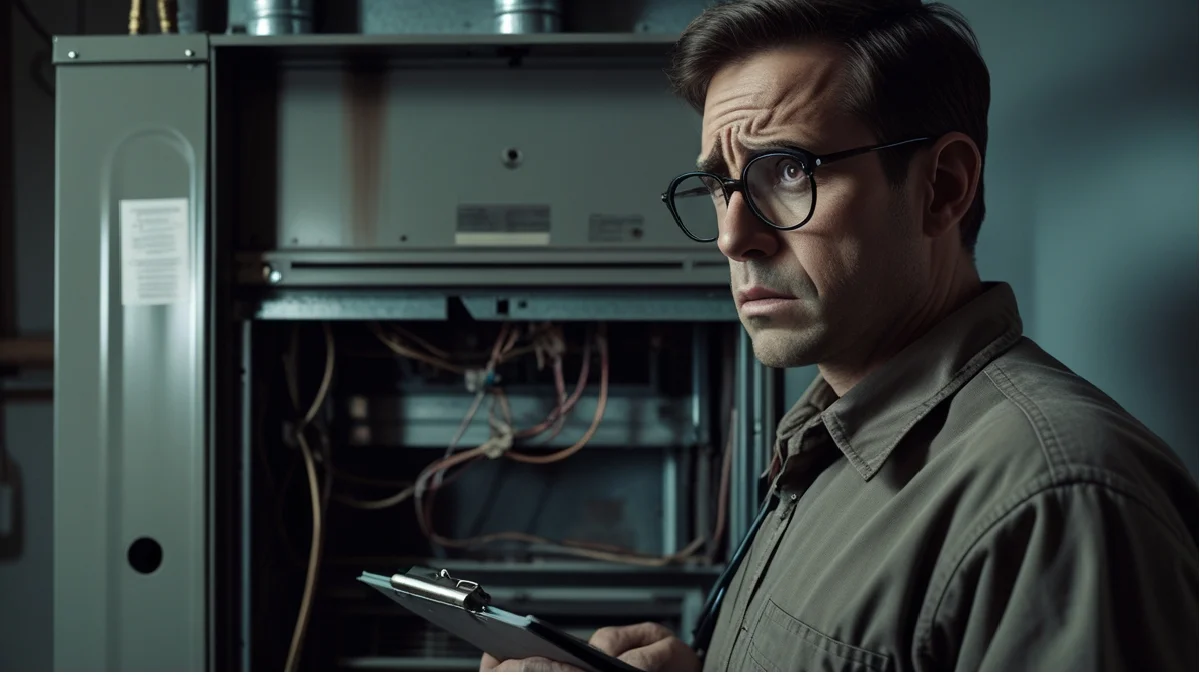
Winter whispers its arrival, and the reliable hum of your furnace becomes the soundtrack of home comfort. But when that hum stutters, fades, or turns ominous, it can swiftly plunge your haven into a chilly crisis.
Most Common Furnace Issues Understanding the most common furnace issues is your first line of defense against unexpected breakdowns, costly repairs, and uncomfortable nights. Let’s diagnose the usual suspects causing American furnaces to falter.
The Thermostat Tango: Miscommunication at the Core
* The Problem: Often overlooked, the thermostat is the brain of your heating system. If it’s malfunctioning or simply miscommunicating, your furnace won’t respond correctly – or at all.
Most Common Furnace Issues
* Symptoms: Furnace doesn’t turn on/hear clicks but no heat/erratic cycling (short-cycling)/temperature not matching setting/heat comes on unexpectedly.
* Causes:
* Dead Batteries: Simple but frequent. Most Common Furnace Issues Replace them annually.
* Location Issues: Placed near drafts, heat sources (lamps, windows), or in direct sunlight. It reads the wrong ambient temperature.
* Dirt/Debris: Dust inside can interfere with sensors.
* Loose Wiring: Connections can come undone over time.
* Calibration Drift: The internal sensor loses accuracy over years.
* Outdated Technology: Old mechanical thermostats are less reliable than modern programmable or smart models.
* Wi-Fi/App Glitches: For smart thermostats, network issues or software bugs.
* Solutions: Start simple! Replace batteries, clean gently, ensure it’s level and ideally on an interior wall away from disturbances. Most Common Furnace Issues Check wiring connections.
Consider upgrading to a programmable or smart thermostat for better control and diagnostics. Often, this is a quick DIY fix or a very affordable professional tweak.
The Dirty Duo: Clogged Air Filters & Blocked Airflow
* Most Common Furnace Issues : The Problem: This is arguably the single most preventable furnace issue. Your furnace needs to breathe freely – pulling in air to heat and pushing warm air through ducts. Restrictions cause severe strain and inefficiency.
Most Common Furnace Issues .
* Symptoms: Reduced heating output/longer run times/higher energy bills/overheating shutdowns/unusual furnace noises (whistling, struggling sounds)/excessive dust in the home/frozen evaporator coil (in AC mode).
* Causes:
* Neglect: Forgetting to change the standard 1-inch filter every 1-3 months.
* Poor Air Quality: Homes with pets, smokers, or significant dust accumulation clog filters faster.
* Blocked Registers/Vents: Furniture, rugs, or curtains obstructing supply or return vents.
* Closed Dampers: Most Common Furnace Issues Accidental closure in ductwork.
* Dirty Blower Wheel/Fan: Failing to clean these components during maintenance.
* Ductwork Issues: Crushed, disconnected, or excessively leaky ducts.
* Solutions: Change your filter religiously! Mark it on your calendar. Check vents monthly for obstruction.
Schedule annual professional maintenance where the technician will clean the blower assembly and inspect ductwork.
Consider higher MERV-rated filters if air quality is poor, but ensure your furnace can handle the increased resistance.
Most Common Furnace Issues Keep furniture clear of vents. This simple habit prevents a cascade of other major problems.
Pilot Light or Ignition System Failures: Where the Spark Dies
* Most Common Furnace Issues :The Problem: Whether it’s a standing pilot light (older furnaces) or a modern electronic ignition (hot surface igniter or intermittent pilot), the failure to light the burner gas is a frequent cause of “no heat” calls.
* Symptoms: Furnace attempts to start but shuts down without producing heat/hear clicking (ignition trying) but no flame/standing pilot light is yellow or flickering (should be steady blue) or out completely/no gas smell at the burner.
* Causes:
* Draft/Downdraft: Blowing out a pilot light (common in windy conditions or improper chimney drafting).
* Thermocouple Failure: The safety sensor monitoring the pilot flame wears out or gets dirty. Most Common Furnace Issues If it doesn’t detect heat, it shuts off the gas valve.
* Dirty/Broken Igniter: Hot surface igniters get coated with debris or crack over time. Sparks from intermittent pilots can weaken.
* Gas Valve Issues: Problems with the valve controlling gas flow (partial blockage, solenoid failure).
* Electrical Glitches: Faulty wiring to the ignition control module or the module itself failing.
* Gas Supply Problems: Main gas valve off, depleted propane tank, or local supply interruption (rare, but check other gas appliances).
* Solutions: Exercise extreme caution. Most Common Furnace Issues If you smell gas, evacuate and call the gas company immediately. Most Common Furnace Issues For a blown-out pilot, carefully follow the manufacturer’s relight instructions (usually found inside the access panel).
If it won’t stay lit, the thermocouple is likely faulty – a common replacement.
Electronic igniters also require professional diagnosis and replacement. Unless you’re very experienced, ignition issues are best left to certified HVAC technicians due to gas and electrical hazards.
Worn-Out Blower Motor: The Heart Losing Its Beat
* Most Common Furnace Issues : The Problem: The blower motor is the workhorse, circulating air throughout your home. When it struggles or fails, heat builds up in the furnace and doesn’t reach your living spaces.
* Symptoms: Little or no airflow from vents/furnace overheats and shuts down (triggering limit switch)/loud screeching, grinding, buzzing, or humming noises from the furnace/blower runs constantly or not at all/increased energy consumption.
* Causes:
* Lack of Lubrication: Older motors require annual oiling (sealed bearings are more common now).
* Worn Bearings: The primary mechanical failure point, causing friction and noise.
* Electrical Failure: Capacitor issues (which give the motor its starting boost) are very common. Motor windings can burn out.
* Dirt Buildup: Excessive dust coating the motor windings causes overheating.
* Excessive Strain: Often caused by restricted airflow (see #2!), forcing the motor to work too hard.
* Normal Wear & Tear: Motors have a finite lifespan (10-20 years).
* Solutions: If the issue is screeching/bearing noise or a capacitor failure (often a distinct humming or failure to start), a technician can usually replace the capacitor or motor relatively efficiently.
Ensure the root cause (like dirty filters) is addressed to prevent recurrence. Complete motor replacement is common. Persistent strain noises or lack of airflow demand prompt professional attention to prevent overheating damage.
Frequent Cycling: The On/Off Agony (Short-Cycling)
* Most Common Furnace Issues: The Problem: Your furnace turning on and off too frequently, rather than completing longer, efficient heating cycles. This is wasteful and hard on components.
* Symptoms: Furnace runs for only a few minutes (e.g., 2-5 mins) before shutting down, then restarts shortly after / constant clicking on and off / uneven heating / increased energy bills / premature wear on heat exchanger and other parts.
* Causes:
* Dirty Air Filter (#2 Again!): Restriction causes overheating and quick safety shutdown.
* Oversized Furnace: A unit too powerful for your home heats the space too quickly, satisfying the thermostat rapidly and shutting down before completing a proper cycle. Very common in older installations.
* Faulty Thermostat (#1): Miscalibration, bad location (near heat source), or wiring issues causing incorrect temperature readings.
* Clogged Flue/Vent Pipe: Blockage prevents exhaust gases from escaping, causing overheating and shutdown.
* Dirty Flame Sensor: (See #6 below) A weak signal can cause the burner to shut off prematurely.
* Faulty Limit Switch: This safety sensor, designed to shut off the furnace if it overheats, can malfunction and trigger too early.
* Solutions: Always start with filter and airflow checks. Ensure vents are clear.
Thermostat troubleshooting comes next. Have a technician clean the flame sensor and inspect the flue vent.
If an oversized furnace is the culprit (a professional load calculation can confirm), replacement is often the only permanent solution, though thermostat settings (reducing “differential”) can sometimes help mitigate it slightly.
Short-cycling drastically reduces furnace lifespan and must be diagnosed.
6The Forgotten Sentinel: The Dirty Flame Sensor
* Most Common Furnace Issues : The Problem: Often hidden behind the burner assembly, this small but critical rod ensures the gas burner is actually lit.
When coated in grime, it fails to detect the flame properly, causing the safety system to shut off the gas valve milliseconds after ignition.
* Symptoms: Furnace tries to start – you hear the gas valve open, igniter click or glow, and maybe a brief flame – but it shuts down within seconds. It will often try this sequence 2-3 times before going into a safety lockout.
* Causes:
* Normal Combustion Byproducts: Tiny amounts of soot, dust, and other airborne debris naturally accumulate on the sensor tip over time (6 months to a few years).
* Solutions: This is one of the most common service calls and often a quick, inexpensive fix.
Technicians simply remove the sensor and gently clean the metal rod (usually with fine steel wool or emery cloth) to expose bare metal. Regular annual maintenance includes this cleaning.
While sometimes a DIY task (locate sensor, remove single screw), care is needed to avoid damage. If cleaning doesn’t work, replacement is simple and affordable.
Beyond the Big Six: Other Frequent Players
- Clogged Condensate Drain (High-Efficiency Furnaces): These furnaces produce acidic condensate water. The drain line can clog with algae or debris, triggering a float switch that shuts down the furnace.
- Symptoms include gurgling sounds or water leaks near the furnace. Flushing the drain line with vinegar is often a DIY fix.
- Worn Belts (Older Furnaces): Blower motors connected via belts can cause loud squealing noises when worn or loose. Less common in modern direct-drive systems. Requires adjustment or replacement.
- Cracked Heat Exchanger (Serious Safety Issue!): This separates combustion gases from your breathable air. Cracks can leak carbon monoxide (CO).
- Symptoms include soot inside the furnace, a strange “formaldehyde” smell, moisture on windows, or CO detector alarms. Immediate professional attention and furnace shutdown are mandatory.
- Causes include age, corrosion (often from improper venting or lack of maintenance), overheating due to restricted airflow, or manufacturing flaw. Replacement is complex and expensive; furnace replacement is often necessary.
- Electrical Control Board Failures: The “motherboard” can develop faults due to power surges, age, or moisture. Symptoms include unresponsive furnace, erratic behavior, or specific error codes. Requires professional diagnosis and board replacement.
- Noisy Operations: Beyond blower motor issues, noises can stem from:
- Rattling/Duct Bang: Loose sheet metal, expanding/contracting ducts. Requires securing ducts.
- Whistling: High air velocity through restriction (dirty filter, closed vent).
- Rumbling/Booming: Delayed ignition – gas builds up before igniting. Requires professional cleaning of burner orifices or ignition adjustment.
Prevention: Your Best Weapon Against Common Furnace Issues
Most Common Furnace Issues : While some failures are inevitable, the vast majority of most common furnace issues are preventable or minimized through proactive care:
- Annual Professional Tune-Up: This is non-negotiable. A certified technician will:
- Clean essential components (burners, heat exchanger surfaces, flame sensor, blower assembly).
- Check gas pressure, ignition operation, and safety controls.
- Inspect the heat exchanger for cracks (visual and often using specialized tools).
- Check electrical connections and voltage.
- Lubricate moving parts (if applicable).
- Clean and flush condensate drains and traps.
- Identify minor issues before they become major breakdowns.
- Monthly Air Filter Replacement: The cheapest and most effective preventative measure. Set phone reminders.
- Check filter size and stock up.
- Keep Vents Clear: Ensure supply registers and return air grilles aren’t blocked by furniture, carpets, or curtains.
- Clear Furnace Area: Maintain 2-3 feet of clearance around the furnace for airflow and service access. Keep it free of stored items, especially flammable materials.
- Carbon Monoxide Detectors: Install battery-operated or hardwired CO detectors near sleeping areas and on every level of your home. Test them monthly and replace batteries yearly or as indicated. This is critical for detecting heat exchanger failure or venting problems.
- Know Your System: Locate the emergency shutoff switch and gas valve. Know the filter size and location. Keep the furnace manual accessible. Understand basic troubleshooting steps (thermostat, filter).
- Listen and Observe: Pay attention to unusual sounds, smells, or changes in heating performance. Early detection makes repairs simpler and cheaper.
Conclusion: Knowledge is Warmth
Most Common Furnace Issues Furnace problems are a near-universal American winter headache. By recognizing the most common furnace issues – thermostat glitches, filter neglect, ignition hiccups, blower motor struggles, short-cycling, and dirty flame sensors –
you arm yourself with the knowledge to troubleshoot minor problems, communicate effectively with technicians, and most importantly, prevent many issues before they start.
Prioritize simple monthly filter changes and invest in an annual professional tune-up; these two actions are the pillars of reliable, efficient, and safe furnace operation.
Don’t let a preventable breakdown turn your cozy refuge into a frosty frustration. Stay informed, stay proactive, and stay warm.
Most Common Furnace Issues Compare operating costs between an electric heat pump vs natural gas furnace in winter climates“ facebook
Leave a Reply