How to Clean Furnace Burners: Understanding Why It Matters for Efficiency and Safety
Maintaining a clean furnace is essential for ensuring your heating system operates efficiently and safely throughout the cold months. Among the crucial components of your furnace are the burners, which play a vital role in combustion and heat production.
How to Clean Furnace Burners Over time, dirt, dust, and soot can accumulate on the burners, leading to poor performance, increased energy bills, and potential safety hazards. That’s why knowing how to clean furnace burners properly is a valuable skill for any homeowner who wants to keep their heating system in top shape without the need for costly professional repairs.
How to Clean Furnace Burners Cleaning your furnace burners not only improves the efficiency of your heating system but also prolongs the lifespan of your furnace. Regular maintenance can prevent dangerous situations such as carbon monoxide leaks or complete system failure.
This guide aims to provide a practical, step-by-step approach to help you clean your furnace burners safely and effectively in the comfort of your home. Understanding the significance of this task encourages homeowners to stay proactive and avoid neglecting routine maintenance, which can lead to costly repairs down the line.
How to Clean Furnace Burners: Preparing for the Cleaning Process Step-by-Step
Gathering Necessary Tools and Supplies
Before you begin how to clean furnace burners, it’s crucial to gather all the tools and supplies you’ll need to make the process smooth and safe. You will require a screwdriver to remove panels, a soft-bristled brush or a wire brush for cleaning, a vacuum cleaner with a hose attachment to remove dust and debris, and a clean cloth or rag for wiping down surfaces. It’s also helpful to have a flashlight to illuminate dark or hard-to-see areas inside the furnace.
For safety, don’t forget to wear protective gloves and safety glasses to shield your skin and eyes from dust, soot, and debris. Having everything ready beforehand minimizes interruptions and makes the entire process more efficient.
Turning Off Power and Gas Supply
Safety is the highest priority when working with any part of your furnace. Before starting, turn off the power supply to the furnace by switching off the circuit breaker dedicated to the system. This prevents accidental activation while you’re working on it.
If your furnace runs on natural gas or propane, shut off the gas supply to eliminate the risk of leaks or ignition. It’s advisable to wait at least 30 minutes after turning off both power and gas to allow any residual energy or pressure to dissipate. This step is essential to prevent electrical shocks, gas leaks, or other accidents during cleaning.
Locating the Burners in Your Furnace
Understanding where your furnace’s burners are located is critical for effective cleaning. Typically, burners are housed inside the combustion chamber, which is accessible by removing an access panel or door. Check your furnace’s user manual if you’re unsure about the exact location or how to open the panel safely.
Once exposed, carefully inspect the burners for signs of dirt, soot, or corrosion, which can impair proper combustion and reduce heat output. Familiarity with the layout of your furnace helps you approach the cleaning process with confidence and precision.
Step-by-Step Guide on How to Clean Furnace Burners
Step 1: Access the Burners Safely
Begin by carefully removing the access panel or cover that protects the burners. Use a screwdriver if necessary, and set the panel aside in a safe place. Be gentle to avoid damaging any clips, brackets, or other components.
Once the burners are visible, take a moment to examine their condition, looking for any signs of buildup or damage. Proper access ensures you can clean thoroughly and safely without causing harm to the system.
Step 2: Remove the Burners for Detailed Cleaning
If your furnace design allows, carefully detach the burners from their mounting brackets or connections. This step often makes it easier to clean all surfaces thoroughly.
Keep track of any screws, clips, or small parts to facilitate reassembly. Remember how the burners are connected to avoid confusion later. If you’re unsure about how to remove the burners safely, consult the user manual or seek guidance from an HVAC professional. Proper removal ensures you can clean every nook and cranny effectively.
Step 3: Clean Dust, Soot, and Debris
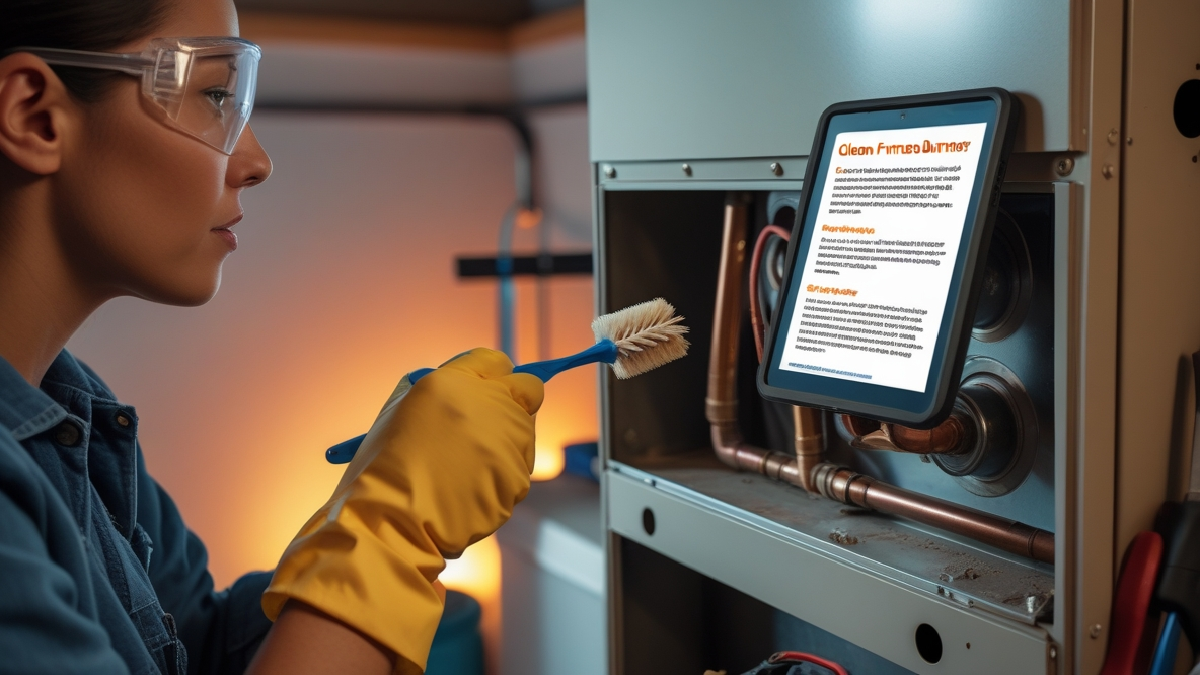
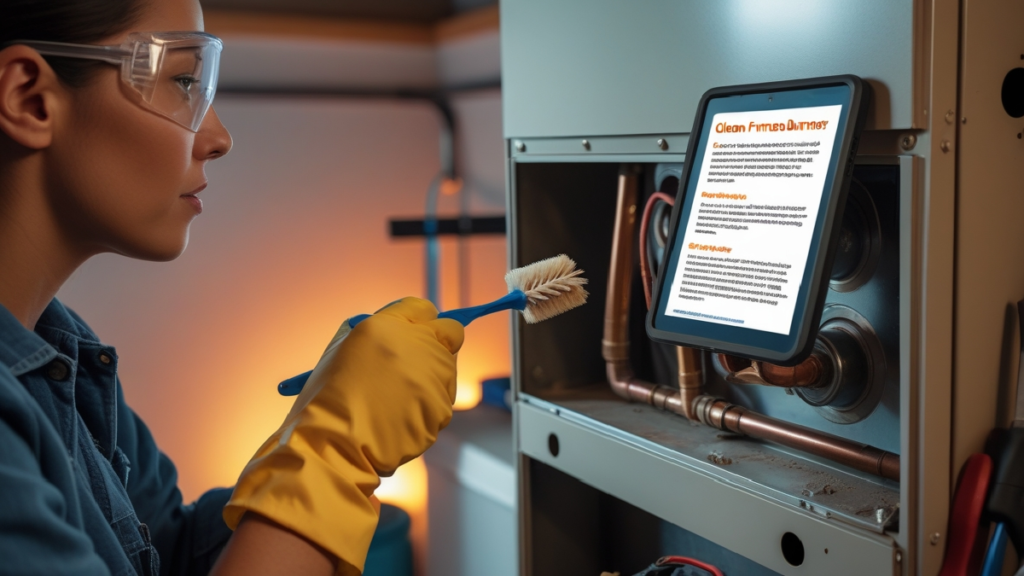
Using a soft-bristled brush or a wire brush, gently scrub the surface of the burners to remove loose dirt, soot, and carbon buildup. Be cautious not to damage the delicate components.
For stubborn grime, dampen the brush slightly with water or a mild cleaning solution—avoid harsh chemicals that could damage the burners or leave residues affecting performance. Taking your time during this step ensures thorough cleaning and helps prevent future buildup that could impair the furnace’s efficiency.
Step 4: Vacuum Out Residual Dust and Particles
Attach your vacuum cleaner’s hose to remove remaining dust, soot, and debris from the burners and surrounding areas. Carefully vacuum all accessible surfaces, paying special attention to small holes, ports, or crevices where dust may be trapped.
This step is crucial in ensuring no loose particles interfere with proper combustion and heat production. A clean environment around the burners promotes optimal functioning and energy efficiency.
Step 5: Wipe and Inspect the Burners
Use a clean, damp cloth to wipe down the burners and remove any lingering dust or residues. After cleaning, inspect the burners closely for signs of corrosion, cracks, or other damage.
If you notice significant deterioration, such as warped or cracked burners, it might be necessary to replace them or consult a professional for further assessment. Regular inspections help catch potential problems early, saving you money and preventing safety hazards.
Step 6: Reassemble and Test the System
Once the burners are thoroughly cleaned and inspected, carefully reattach them to their mounting brackets or connections. Replace any access panels or covers, ensuring they are secured properly.
Turn the gas supply back on and restore power to the furnace. Turn on the system and observe the flame; it should be blue and steady, indicating proper combustion. A yellow or uneven flame suggests incomplete combustion or other issues that may require further attention. Testing the system confirms that your cleaning was successful and the furnace is operating safely.
How to Clean Furnace Burners: Additional Maintenance Tips You Should Know
Routine maintenance is the best way to keep your furnace running efficiently over the years. Schedule a professional inspection at least once annually, preferably before the cold season begins. Between professional checkups, you can perform simple tasks like wiping the burners and checking for dust or debris.
Keep the area around your furnace clean and free of clutter to prevent dust from settling on critical components. Remember, how to clean furnace burners is a straightforward task that, when done regularly, can save you money and extend the lifespan of your heating system.
Safety Precautions and Common Mistakes to Avoid
Working on your furnace requires caution. Never attempt to clean the burners while the system is still powered on or connected to gas. Always wear protective gear, including gloves and safety glasses, to prevent contact with dust or debris. If you notice signs of damage, such as cracked burners or persistent yellow flames, contact a licensed HVAC technician for repairs.
Avoid using harsh chemicals or abrasive tools that could damage the burners or void your warranty. Following these safety precautions ensures your DIY maintenance remains safe, effective, and risk-free.
Conclusion: How to Clean Furnace Burners and Keep Your Furnace Running Efficiently and Safely
Knowing how to clean furnace burners properly is a valuable skill that empowers homeowners to perform essential maintenance safely and cost-effectively. Regular cleaning improves efficiency, reduces energy costs, and enhances safety by preventing malfunctions.
By following this detailed step-by-step guide, you can confidently maintain your furnace and extend its lifespan. Remember, if you encounter serious damage or feel overwhelmed, it’s always best to seek professional help. Your safety and comfort depend on a well-maintained heating system.
Take action today—regularly cleaning your furnace burners is a simple step toward a warm, safe, and energy-efficient home. Your home will thank you for it!
If your furnace fan trips breaker, it might be a sign of electrical overload or dirty components, so regular maintenance is essential to prevent future issues.
Is your furnace fan trips breaker problem driving you crazy? 🧰 Learn easy fixes to keep your heating system running safely and smoothly! 🔧🔥
Leave a Reply